







Borescopes
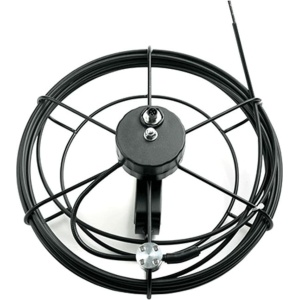
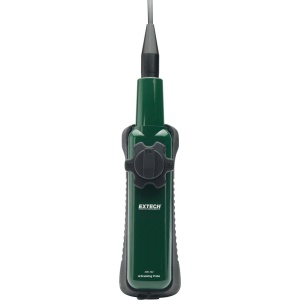
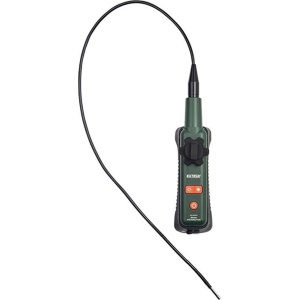
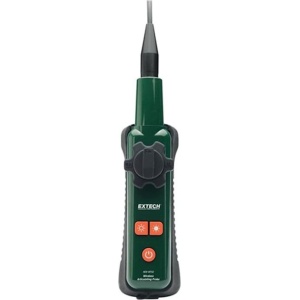
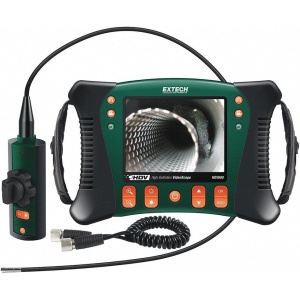
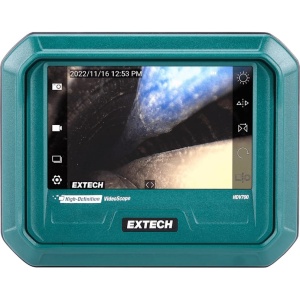
Borescopes allow visual inspection of hard-to-reach or enclosed spaces without disassembly, using a camera-equipped probe to capture images and video. We stock rigid and flexible (articulating) borescopes for industrial inspection, automotive diagnostics, and mechanical maintenance applications.
Rigid vs. Flexible Borescopes
Rigid borescopes use a straight, non-bending probe, offering the sharpest image quality and are well suited for inspecting straight cavities like engine cylinders or pipe interiors. Flexible borescopes use a bendable probe that can navigate curves and obstacles, making them the practical choice for inspecting complex internal pathways such as HVAC ductwork or engine compartments with limited straight-line access.
Probe Diameter & Length
Probe diameters in this category range from as small as 3.9mm for tight-clearance inspection up to 8mm or larger for applications where image quality is prioritized over minimal clearance. Probe length should be selected based on the depth of the space being inspected, typically ranging from 1 meter up to 30 meters or more on specialized industrial models.
Articulation & Features
Articulating borescopes allow the tip to be steered in multiple directions for precise positioning around obstacles, an important feature for complex internal geometries. Look for features like built-in LED illumination, image/video recording, waterproof probes for wet environments, and interchangeable tips for different inspection angles.
Common Applications
- Engine cylinder and valve inspection
- HVAC duct and pipe interior inspection
- Aircraft and turbine maintenance inspection
- Electrical panel and equipment inspection
- Plumbing and structural cavity inspection
Not sure which borescope fits your application? Contact our team — we can help match probe diameter, length, and articulation to your specific requirement.
Frequently Asked Questions
Should I choose a rigid or flexible borescope?
Rigid borescopes offer the sharpest image quality and work well for straight cavities. Flexible borescopes are better suited for navigating curves and obstacles in complex internal spaces where a straight probe can’t reach.
What probe diameter do I need?
Choose the smallest probe diameter that still provides acceptable image quality for your application, since smaller diameters allow access to tighter clearances but may offer a narrower field of view.
What does articulation mean on a borescope?
Articulation refers to the ability to steer the probe tip in different directions once inserted, allowing you to navigate around obstacles and position the camera precisely without moving the entire probe.
Are borescopes waterproof?
Many borescope probes are waterproof or water-resistant, but this varies by model — check the specific product’s IP rating before use in wet or submerged environments.