



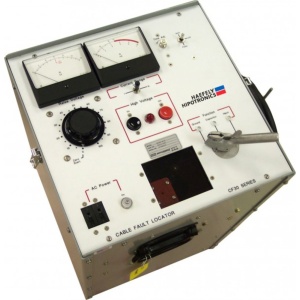

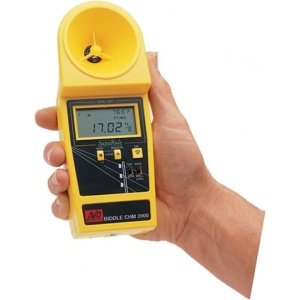


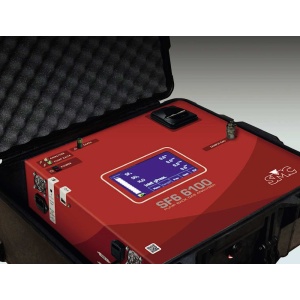

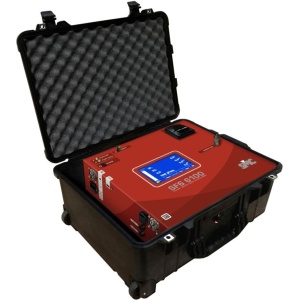
Cable Testing & Fault Tools
Cable testing tools verify that copper and coaxial cabling is wired correctly and free of faults before it’s put into service or after a problem appears. We stock continuity and wiremap testers, tone generator and probe (toner) kits, and general-purpose multimeters built for installers and technicians working on Ethernet, coaxial, and voice-grade cabling. Testing continuity and wiring first, before chasing switch or protocol issues, is what separates a five-minute fix from an hour of wasted troubleshooting.
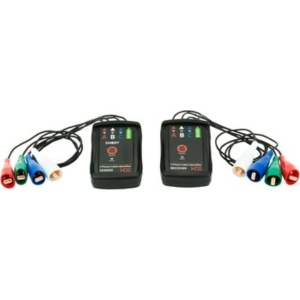
A continuity or wiremap tester confirms each conductor has a complete path end to end and lands on the correct pin, catching opens, shorts, reversed pairs, and split pairs, the most common causes of intermittent “network problems.” A tone generator and probe kit solves a different problem entirely: tracing a specific cable through a bundle or wall by sending a traceable signal down one end and detecting it with an inductive probe at the other. Both tools solve real, everyday problems, just not the same one.
How Cable Testing Tools Work
Continuity testers apply a small signal to each conductor and confirm it returns correctly at the far end, mapping the result against expected wiring standards to flag opens, shorts, or miswires. Tone generators inject an audible or digital tone onto a cable, which a handheld probe detects by listening for the signal’s electromagnetic field, letting a technician trace a specific cable without seeing both ends at once.
Types of Cable Testing Tools
Continuity and wiremap testers check that each wire pair terminates correctly and completely, the fastest way to catch basic wiring errors before deeper troubleshooting. Tone generator and probe (toner) kits trace and identify a specific cable within a bundle or behind a wall, useful for locating and labeling cabling in complex installations. General-purpose multimeters measure voltage, resistance, and continuity directly, a simple option for basic coax length and continuity checks. Combination toner/continuity units pack tracing and basic wiremap testing into one handheld tool for everyday field work.
Common Applications
- New cabling installation verification
- Locating and tracing cables in bundles or walls
- Basic fault isolation before deeper diagnostics
- Voice-grade and coaxial cabling checks
Choosing the Right Cable Testing Tool
Start with a continuity/wiremap tester for routine verification work, it’s the fastest, most affordable way to catch the majority of wiring problems. Add a tone-and-probe kit if you regularly need to trace or locate specific cables. Save qualification and certification-tier testing for jobs that need performance or standards-compliance documentation beyond basic connectivity. Every tool we carry is backed by manufacturer warranty support, and our team can help match tool tier to your actual testing needs.
Not sure which cable testing tool fits your work? Contact our team — we can match tool type to your cabling and testing needs.
Frequently Asked Questions
What’s the difference between a continuity tester and a tone generator?
A continuity tester confirms wiring is correct end to end, catching opens, shorts, and miswires, while a tone generator and probe trace and identify a specific cable within a bundle or wall, a different task entirely.
Can a basic cable tester tell me if my network will run Gigabit Ethernet?
No, basic continuity and wiremap testers only confirm correct wiring; determining whether a link supports a specific speed or application requires a qualification tester instead.
What faults can a continuity tester catch?
Continuity testers commonly catch opens, shorts, reversed pairs, split pairs, and miswiring, the most frequent causes of intermittent connectivity problems on copper cabling.
Do I need a separate tool to trace cables, or does a continuity tester do that too?
Tracing typically requires a tone generator and probe kit; most basic continuity testers verify wiring but don’t include the signal-tracing capability needed to locate a specific cable in a bundle.