


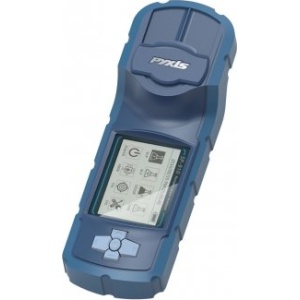

Fluorometers – Fluorescence Water Quality Meters
Fluorometers measure fluorescence emitted by a sample after excitation, commonly used to detect chlorophyll, dyes, oils, or other fluorescent compounds in water and environmental samples. WestCalibration stocks fluorometers for environmental monitoring labs, water utilities, and researchers running dye-tracing or chlorophyll studies. Units ship from our own inventory, so lead times stay predictable.
How to Choose the Right Fluorometer
Match the fluorometer’s excitation and detection wavelengths to the compound you’re measuring, since chlorophyll, rhodamine dye, and oil-in-water applications each use different optical filter sets, and confirm whether you need a handheld field unit or a benchtop model for lab-based work. Fluorometers are used for chlorophyll monitoring in lakes and reservoirs, dye-tracing studies to track water flow, and oil-in-water detection in industrial discharge testing; for broader absorbance-based testing outside fluorescence measurement, our spectrophotometers cover that related but separate method.
Brands & Certifications
As an authorized dealer, we carry fluorometers and water quality instruments from established names including YSI, a manufacturer with a long history in fluorescence-based water quality sensors.
Frequently Asked Questions
What can a fluorometer measure besides chlorophyll? Depending on the optical filter set, fluorometers can measure dyes used in tracer studies, oil-in-water content, and other fluorescent compounds.
Do I need a handheld or benchtop fluorometer? Handheld units are common for field sampling and spot checks, while benchtop models suit labs running higher-throughput or more controlled testing.
How is a fluorometer different from a turbidity meter? A fluorometer measures light emitted by a fluorescent compound, while a turbidity meter measures light scattering caused by suspended particles.
Do fluorometers need regular calibration? Yes, calibration against a known standard solution is typically done before each sampling session or on a set schedule.