









Ionization Equipment
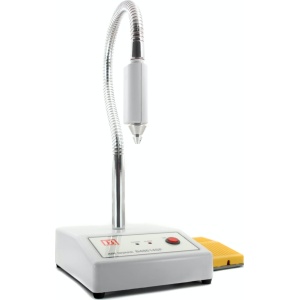
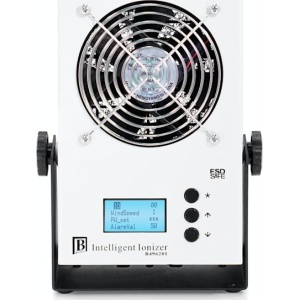
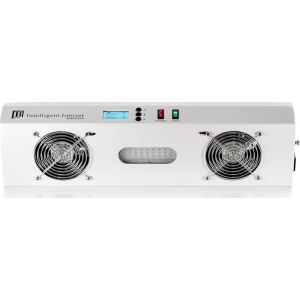
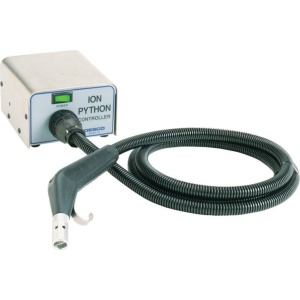
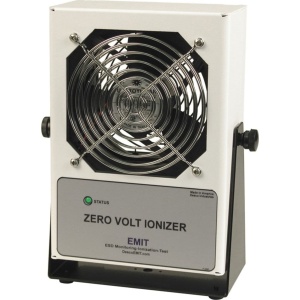
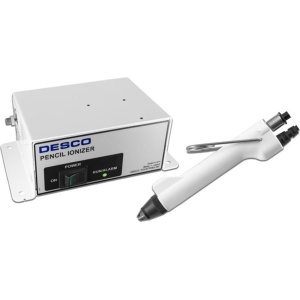
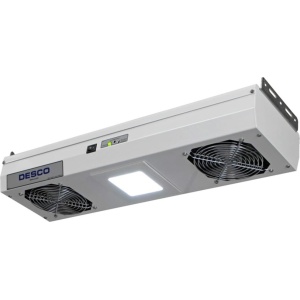
Ionization equipment (ionizers) neutralizes static charge on surfaces, materials, and in the air by generating balanced positive and negative ions, protecting static-sensitive components and reducing dust attraction in electronics manufacturing and cleanroom environments. We stock bench-top, overhead, and air gun ionizers for ESD control programs.
Types of Ionizers
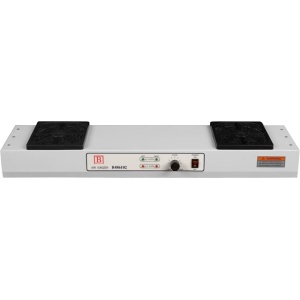
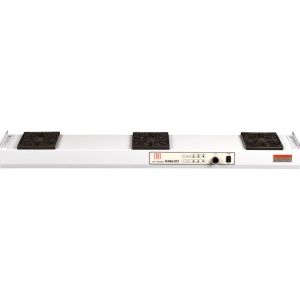
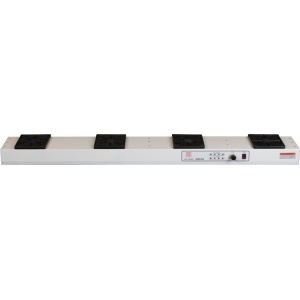
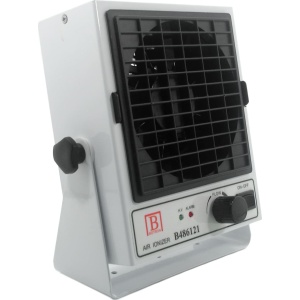
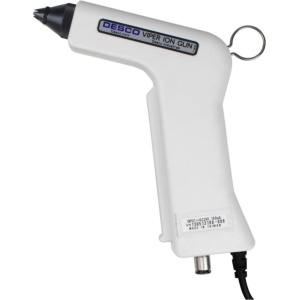
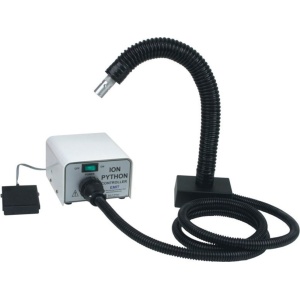
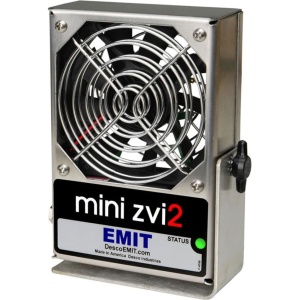
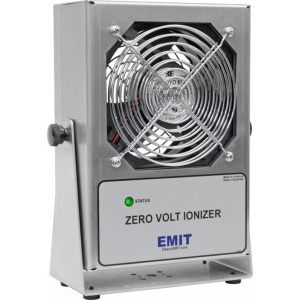
Bench-top ionizers provide localized static neutralization for a specific workstation, commonly used at assembly and inspection stations handling sensitive components. Overhead ionizers cover a wider area from above, suited for production lines or cleanroom zones where static control is needed across a larger workspace. Ionizing air guns combine compressed air with ionization to neutralize static while blowing away dust and debris, useful for cleaning static-prone surfaces before assembly or packaging.
AC vs. DC Ionization
AC ionizers alternate between positive and negative ion generation, offering a simple, low-maintenance design suited for general-purpose static control. DC (pulsed) ionizers actively balance ion output based on feedback, typically achieving faster static decay times and better offset voltage control, which matters for highly sensitive components or tight ESD specifications.
Balance & Discharge Time Verification
Ionizer performance is measured by offset voltage (how balanced the ion output is) and discharge time (how quickly static charge is neutralized), both of which should be verified periodically as part of an ESD control program to confirm the ionizer is performing within specification.
Common Applications
- Electronics manufacturing and assembly ESD control
- Cleanroom static and particle control
- Static-sensitive packaging and handling
- Printed circuit board assembly workstations
- General static elimination in production environments
Not sure which ionizer fits your application? Contact our team — we can help match ionizer type, coverage area, and performance specifications to your specific requirement.
Frequently Asked Questions
Should I choose a bench-top or overhead ionizer?
Bench-top ionizers are suited for localized static control at a single workstation. Overhead ionizers cover a wider area, making them practical for production lines or cleanroom zones needing static control across a larger space.
What’s the difference between AC and DC ionizers?
AC ionizers offer simple, low-maintenance static control suited for general use. DC (pulsed) ionizers actively balance ion output, typically providing faster discharge times and tighter offset voltage control for more sensitive applications.
How often should ionizer performance be verified?
Ionizer offset voltage and discharge time should be checked periodically, often as part of a documented ANSI/ESD S20.20 compliance program, to confirm the unit continues to perform within specification.
Do you provide verification services for ionizers?
Verification services are available on select models. Contact us to confirm calibration and testing options for your specific unit.