











Pressure Sensors
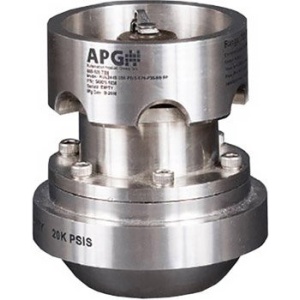
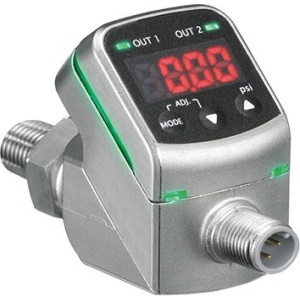
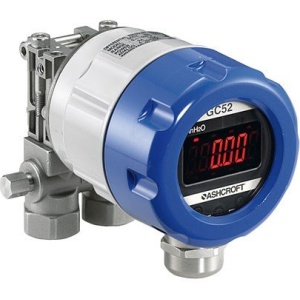
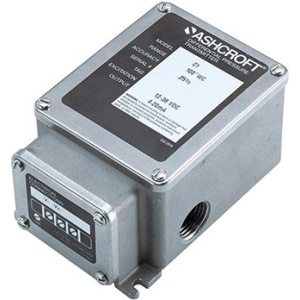
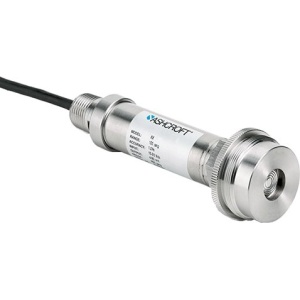
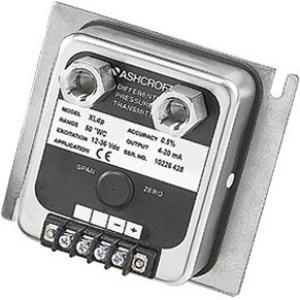
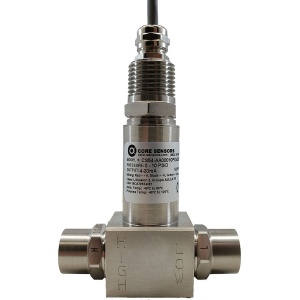
Pressure sensors (transducers and transmitters) convert pressure into an electrical signal for monitoring and control in industrial, automotive, and OEM applications. We stock industrial pressure transducers, transmitters, and OEM pressure sensors for integration into equipment and process systems.
Pressure Transducers vs. Transmitters
Pressure transducers typically output a raw analog signal (mV/V or similar) proportional to pressure, often used in OEM and instrumentation applications where the signal is processed by other equipment. Pressure transmitters include signal conditioning and output a standardized signal, most commonly 4-20mA, making them easier to integrate directly into industrial control and monitoring systems.
Sensing Technology
Piezoresistive sensors are widely used for their accuracy, stability, and wide pressure range coverage across industrial applications. Capacitive sensors offer high accuracy and are often used in low-pressure applications sensitive to small pressure changes. Strain gauge sensors provide reliable performance across a broad range of pressures and are common in industrial and hydraulic applications.
Pressure Range, Media & Output
Ranges span from low-pressure applications (a few inches of water column) up to high-pressure hydraulic systems (10,000+ psi). Media compatibility (gas, liquid, or corrosive fluid) determines the required wetted material, commonly stainless steel for broad chemical compatibility. Output signals typically include 4-20mA, 0-5V, or 0-10V depending on the connected system.
Common Applications
- Hydraulic and pneumatic system monitoring
- Process control and automation
- OEM equipment integration
- Water and wastewater system monitoring
- Mobile equipment and automotive applications
Not sure which pressure sensor fits your application? Contact our team — we can help match technology, range, and output signal to your specific requirement.
Frequently Asked Questions
What’s the difference between a pressure transducer and a transmitter?
Pressure transducers typically output a raw analog signal requiring additional processing, while pressure transmitters include built-in signal conditioning to provide a standardized output, commonly 4-20mA, ready for direct integration into control systems.
What wetted material do I need for my application?
Stainless steel wetted parts offer broad chemical compatibility and are the standard choice for most industrial applications, though highly corrosive media may require specialized materials — check compatibility with your specific process fluid.
What output signal should I choose?
4-20mA is the most common industrial standard due to its noise immunity over long cable runs, while voltage outputs (0-5V, 0-10V) are common in OEM and shorter-distance applications.
Do you provide calibration certificates for pressure sensors?
Yes, select models are available with a NIST-traceable calibration certificate at the time of purchase. Look for the certification filter above or contact us for a custom calibration request.