


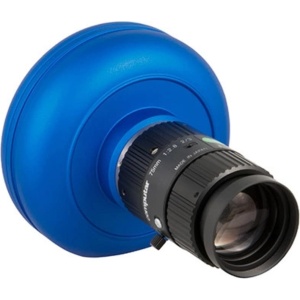


Stroboscopes
Stroboscopes produce a rapid, controllable flashing light used to visually “freeze” or slow down the apparent motion of rotating or reciprocating machinery, allowing inspection of moving parts without stopping equipment. We stock handheld digital stroboscopes for industrial inspection, maintenance, and speed verification applications.
How Stroboscopes Work
By flashing light at a frequency matched to the rotational speed of a moving part, a stroboscope makes the part appear stationary (or moving slowly), allowing visual inspection of belts, gears, fans, and other rotating components while running — without the safety risk of contact-based inspection on moving equipment.
Speed Measurement Function
Most digital stroboscopes also function as a non-contact tachometer, displaying the measured RPM of rotating equipment once the flash rate is synchronized to the object’s rotation, providing a dual-purpose tool for both visual inspection and speed verification.
Flash Rate Range & Brightness
Flash rate range should cover the RPM range of the equipment you need to inspect, from slow-moving conveyor components up to high-speed motors and turbines. Brightness (light output) affects visibility in well-lit industrial environments, with brighter units providing better visibility on fast-moving or distant components.
Common Applications
- Rotating machinery visual inspection while running
- Fan, belt, and pulley condition checks
- Print and packaging line registration and web inspection
- Engine timing verification
- Non-contact RPM measurement
Not sure which stroboscope fits your application? Contact our team — we can help match flash rate range, brightness, and features to your specific requirement.
Frequently Asked Questions
Can a stroboscope measure RPM?
Yes, most digital stroboscopes function as a non-contact tachometer, displaying the RPM of a rotating object once the flash rate is synchronized to its rotational speed.
Is it safe to inspect equipment while it’s running with a stroboscope?
Stroboscopes allow visual inspection without physical contact with moving parts, which is safer than contact-based methods, though standard safety precautions around operating machinery should still be followed.
What flash rate range do I need?
Flash rate range should cover the RPM range of the equipment you plan to inspect — confirm your equipment’s typical operating speed falls within the stroboscope’s rated range before purchase.
Do you provide calibration certificates for stroboscopes?
Yes, select models are available with a NIST-traceable calibration certificate at the time of purchase. Look for the certification filter above or contact us for a custom calibration request.